


| GIGABYTE GeForce RTX 3050 Gaming OC 8G | MSI GeForce GTX 1070 GAMING 8G | |
| 130 W | Max TDP | 150 W |
| NA | Consumo de energía por día (kWh) | NA |
| NA | Coste corriente por día | NA |
| NA | Consumo de energía por año (kWh) | NA |
| NA | Costo de funcionamiento por año | NA |
GIGABYTE GeForce RTX 3050 Gaming OC 8G vs MSI GeForce GTX 1070 GAMING 8G
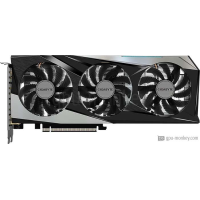
GIGABYTE GeForce RTX 3050 Gaming OC 8G lanzó Q1/2022, que se basa en la arquitectura NVIDIA GeForce RTX 3050. Vendrá con 8 GB de memoria GDDR6 de gran ancho de banda.El GIGABYTE GeForce RTX 3050 Gaming OC 8G cuenta con 2560 shader, 48 unidades de salida de render, tiene un reloj de impulso de 1.822 GHz+ 3 % y está equipado con un consumo de energía de 130 W . La GPU admite hasta 4 monitores con resoluciones de 7680x4320 . Además, si usted está buscando Air cooling más fresco y Axial tipo abanico, que sería su mejor opción.
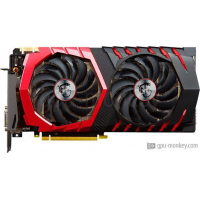
MSI GeForce GTX 1070 GAMING 8G lanzó Q2/2016, que se basa en la arquitectura NVIDIA GeForce GTX 1070. Vendrá con 8 GB de memoria GDDR5 de gran ancho de banda.El MSI GeForce GTX 1070 GAMING 8G cuenta con 1920 shader, 64 unidades de salida de render, tiene un reloj de impulso de 1.721 GHz+ 2 % y está equipado con un consumo de energía de 150 W . La GPU admite hasta 4 monitores con resoluciones de 7680x4320 . Además, si usted está buscando Air cooling más fresco y Axial tipo abanico, que sería su mejor opción.
GIGABYTE GeForce RTX 3050 Gaming OC 8G
MSI GeForce GTX 1070 GAMING 8G
Comparar detalle
GPU |
||
| NVIDIA GeForce RTX 3050 | Based on | NVIDIA GeForce GTX 1070 |
| GA106-150-A1 | GPU Chip | GP104-200-A1 |
| 20 | Unidades de ejecución | 15 |
| 2560 | Shader | 1920 |
| 48 | Render Output Units | 64 |
| 80 | Texture Units | 120 |
Memory |
||
| 8 GB | Memory Size | 8 GB |
| GDDR6 | Memory Type | GDDR5 |
| 14 Gbps | Memory Speed | 2.002 GHz |
| 224 GB/s | Memory Bandwith | 256 GB/s |
| 128 bit | Memory Interface | 256 bit |
Clock Speeds |
||
| 1.552 GHz | Base Clock | 1.506 GHz |
1.822 GHz + 3 % + 3 % |
Boost Clock | 1.721 GHz+ 2 % |
| Avg (Game) Clock | 1.708 GHz | |
Yes 
|
Overclocking |
Yes
|
Thermal Design |
||
| 130 W | TDP | 150 W |
| -- | TDP (up) | -- |
| 93 °C | Tjunction max | -- |
| 1 x 8-Pin | PCIe-Power | 1 x 6-Pin, 1 x 8-Pin |
Cooler & Fans |
||
| Axial | Fan-Type | Axial |
| 3 x 80 mm | Fan 1 | 2 x 100 mm |
| -- | Fan 2 | -- |
| Air cooling | Cooler-Type | Air cooling |
| 0 dB / Silent | Noise (Idle) | 0 dB / Silent |
| -- | Noise (Load) | -- |
Connectivity |
||
| 4 | Max. Displays | 4 |
| 2.3 | HDCP-Version | 2.2 |
| 2x HDMI v2.1 | HDMI Ports | 1x HDMI v2.0b |
| 2x DP v1.4a | DP Ports | 3x DP v1.4 |
| -- | DVI Ports | 1 |
| -- | VGA Ports | -- |
| -- | USB-C Ports | -- |
Featureset |
||
| 7680x4320 | Max. resolution | 7680x4320 |
| 12_2 | DirectX | 12_1 |
| Yes |
Raytracing | No  |
| Yes |
DLSS / FSR | No} |
| GIGABYTE RGB Fusion | LED | MSI Mystic Light |
Supported Video Codecs |
||
| Decode / Encode | h264 | Decode / Encode |
| Decode / Encode | h265 / HEVC | Decode / Encode |
| Decode |
AV1 | No |
| Decode | VP8 | Decode |
| Decode | VP9 | Decode |
Dimensions |
||
| 282 mm | Length | 279 mm |
| 117 mm | Height | 140 mm |
| 41 mm | Width | 42 mm |
| 2 PCIe-Slots | Width (Slots) | 2 PCIe-Slots |
| -- | Weight | 1094 g |
| PCIe 4.0 x 16 | GPU Interface | PCIe 3.0 x 16 |
Additional data |
||
| GV-N3050GAMING OC-8GD | Part-no | -- |
| Q1/2022 | Fecha de lanzamiento | Q2/2016 |
| -- | Release price | -- |
| 8 nm | Structure size | 16 nm |
| data sheet | Documents | data sheet |

Estimación de uso eléctrico

Estimación de uso eléctrico
Comparación popular
GIGABYTE GeForce RTX 3050 Gaming OC 8G vs
MSI GeForce RTX 3050 GAMING X 8G
GIGABYTE GeForce RTX 3050 Gaming OC 8G vs
ASUS Dual GeForce RTX 3050 OC Edition 8GB
ASUS ROG Strix GeForce RTX 3050 OC Edition 8GB vs
GIGABYTE GeForce RTX 3050 Gaming OC 8G
GIGABYTE GeForce RTX 3050 Gaming OC 8G vs
Palit GeForce RTX 3050 Dual
MSI GeForce RTX 3050 VENTUS 2X 8G vs
GIGABYTE GeForce RTX 3050 Gaming OC 8G
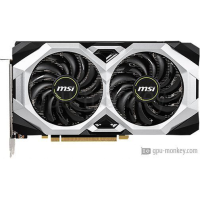
MSI GeForce GTX 1660 SUPER VENTUS vs
GIGABYTE GeForce RTX 3050 Gaming OC 8G
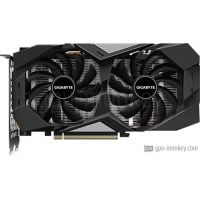
GIGABYTE GeForce GTX 1660 TI OC 6G vs
GIGABYTE GeForce RTX 3050 Gaming OC 8G
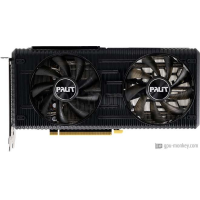
Palit GeForce RTX 3050 Dual OC vs
GIGABYTE GeForce RTX 3050 Gaming OC 8G
GIGABYTE GeForce RTX 3050 Gaming OC 8G vs
MSI GeForce GTX 1660 SUPER GAMING X
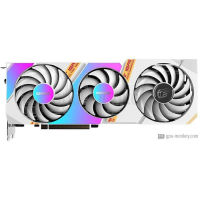
Colorful iGame GeForce RTX 3050 Ultra W OC 8G-V vs
GIGABYTE GeForce RTX 3050 Gaming OC 8G
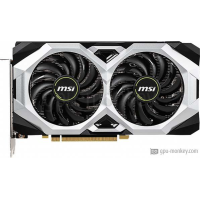
MSI GeForce RTX 2060 VENTUS 12G OC vs
GIGABYTE GeForce RTX 3050 Gaming OC 8G
GIGABYTE GeForce RTX 3050 Gaming OC 8G vs
GIGABYTE GeForce RTX 3060 Eagle 12G
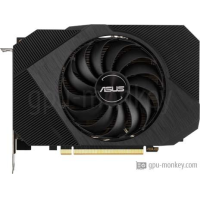
ASUS Phoenix GeForce RTX 3050 8GB vs
GIGABYTE GeForce RTX 3050 Gaming OC 8G
GIGABYTE GeForce RTX 3050 Gaming OC 8G vs
MSI GeForce RTX 2070 VENTUS GP
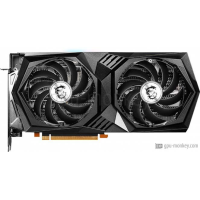
MSI GeForce RTX 3050 GAMING 8G vs
GIGABYTE GeForce RTX 3050 Gaming OC 8G
GIGABYTE GeForce RTX 3050 Gaming OC 8G vs
ASUS Dual GeForce RTX 2060
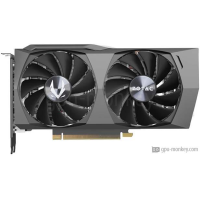
ZOTAC GAMING GeForce RTX 3050 Twin Edge OC vs
GIGABYTE GeForce RTX 3050 Gaming OC 8G
GIGABYTE GeForce RTX 3050 Gaming OC 8G vs
MSI GeForce RTX 3050 VENTUS 2X 8G OC
ZOTAC GAMING GeForce RTX 3050 Twin Edge vs
GIGABYTE GeForce RTX 3050 Gaming OC 8G
GIGABYTE GeForce RTX 3050 Gaming OC 8G vs
NVIDIA GeForce RTX 3060 Laptop (Mobile) - 100 W
MSI GeForce RTX 3050 AERO ITX 8G vs
GIGABYTE GeForce RTX 3050 Gaming OC 8G
GIGABYTE GeForce RTX 3050 Gaming OC 8G vs
MSI GeForce GTX 1070 GAMING 8G
Gainward GeForce RTX 3050 Ghost vs
GIGABYTE GeForce RTX 3050 Gaming OC 8G
GIGABYTE GeForce RTX 3050 Gaming OC 8G vs
MSI GeForce GTX 1060 GAMING 6G
GIGABYTE GeForce RTX 3050 Gaming OC 8G vs
GIGABYTE GeForce GTX 1660 TI GAMING OC 6G
ASUS Phoenix GeForce GTX 1060 3GB vs
MSI GeForce GTX 1070 GAMING 8G
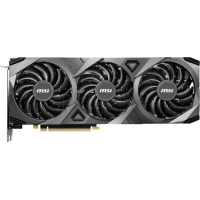
MSI GeForce RTX 3070 Ventus 3X 8G OC vs
MSI GeForce GTX 1070 GAMING 8G
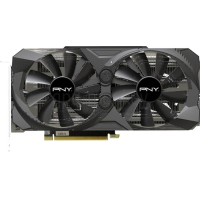
PNY GeForce RTX 3070 UPRISING Dual Fan vs
MSI GeForce GTX 1070 GAMING 8G
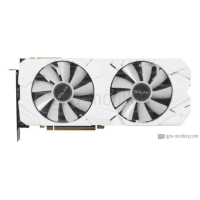
GALAX GeForce RTX 2080 SUPER EX White (1-Click OC) vs
MSI GeForce GTX 1070 GAMING 8G
MSI GeForce GTX 1070 GAMING 8G vs
ZOTAC Gaming GeForce RTX 3080 Ti Trinity
MSI GeForce GTX 1070 GAMING 8G vs
GIGABYTE GeForce GTX 1070 G1 Gaming 8G
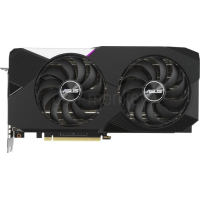
ASUS Dual GeForce RTX 3070 OC vs
MSI GeForce GTX 1070 GAMING 8G
MSI GeForce GTX 1070 GAMING 8G vs
MSI GeForce GTX 1650 AERO ITX 4G
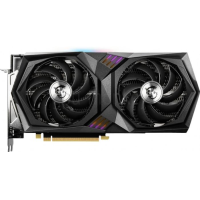
MSI GeForce RTX 3060 Ti Gaming 8G vs
MSI GeForce GTX 1070 GAMING 8G
MSI GeForce GTX 1070 GAMING 8G vs
GIGABYTE GeForce GTX 1650 D6 OC Low Profile 4G
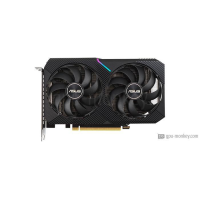
ASUS Dual GeForce RTX 3060 vs
MSI GeForce GTX 1070 GAMING 8G
MSI GeForce GTX 1070 GAMING 8G vs
MSI GeForce RTX 3080 GAMING X TRIO 10G
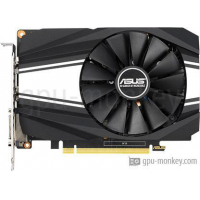
ASUS Phoenix GeForce GTX 1660 SUPER vs
MSI GeForce GTX 1070 GAMING 8G
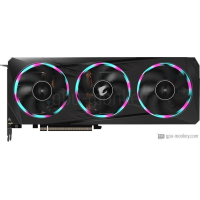
GIGABYTE AORUS GeForce RTX 3060 Elite 12G vs
MSI GeForce GTX 1070 GAMING 8G
NVIDIA GeForce RTX 3060 Laptop (Mobile) - 105 W vs
MSI GeForce GTX 1070 GAMING 8G
Colorful iGame GeForce RTX 2080 SUPER Advanced OC-V vs
MSI GeForce GTX 1070 GAMING 8G
Comments
