


| GIGABYTE GeForce RTX 3050 Gaming OC 8G | MSI GeForce GTX 1060 GAMING 6G | |
| 130 W | Max TDP | 120 W |
| NA | Consommation électrique par jour (kWh) | NA |
| NA | Coût de fonctionnement par jour | NA |
| NA | Consommation électrique par an (kWh) | NA |
| NA | Coût de fonctionnement par an | NA |
GIGABYTE GeForce RTX 3050 Gaming OC 8G vs MSI GeForce GTX 1060 GAMING 6G
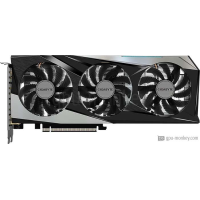
GIGABYTE GeForce RTX 3050 Gaming OC 8G a lancé Q1/2022, qui est basé sur l'architecture NVIDIA GeForce RTX 3050. Il sera livré avec 8 GB de mémoire GDDR6 à large bande passante.Le GIGABYTE GeForce RTX 3050 Gaming OC 8G comprend un 2560 , des unités de sortie de rendu 48 1.822 GHz+ 3 % et une consommation électrique de 130 W . Le GPU prend en charge jusqu'à 4 moniteurs avec des résolutions de 7680x4320 . De plus, si vous cherchez Air cooling plus fraîche et Axial type de ventilateur, il serait votre meilleur choix.
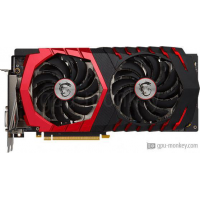
MSI GeForce GTX 1060 GAMING 6G a lancé Q3/2016, qui est basé sur l'architecture NVIDIA GeForce GTX 1060 6GB. Il sera livré avec 6 GB de mémoire GDDR5 à large bande passante.Le MSI GeForce GTX 1060 GAMING 6G comprend un 1280 , des unités de sortie de rendu 48 1.746 GHz+ 2 % et une consommation électrique de 120 W . Le GPU prend en charge jusqu'à 4 moniteurs avec des résolutions de 7680x4320 . De plus, si vous cherchez Air cooling plus fraîche et Axial type de ventilateur, il serait votre meilleur choix.
GIGABYTE GeForce RTX 3050 Gaming OC 8G
MSI GeForce GTX 1060 GAMING 6G
Comparer les détails
GPU |
||
| NVIDIA GeForce RTX 3050 | Based on | NVIDIA GeForce GTX 1060 6GB |
| GA106-150-A1 | GPU Chip | GP106-410-A1 |
| 20 | Unités d'exécution | 10 |
| 2560 | Ombrage | 1280 |
| 48 | Render Output Units | 48 |
| 80 | Texture Units | 80 |
Memory |
||
| 8 GB | Memory Size | 6 GB |
| GDDR6 | Memory Type | GDDR5 |
| 14 Gbps | Memory Speed | 2.002 GHz |
| 224 GB/s | Memory Bandwith | 192 GB/s |
| 128 bit | Memory Interface | 192 bit |
Clock Speeds |
||
| 1.552 GHz | Base Clock | 1.506 GHz |
1.822 GHz + 3 % + 3 % |
Boost Clock | 1.746 GHz+ 2 % |
| Avg (Game) Clock | 1.733 GHz | |
Yes 
|
Overclocking |
Yes
|
Thermal Design |
||
| 130 W | TDP | 120 W |
| -- | TDP (up) | -- |
| 93 °C | Tjunction max | -- |
| 1 x 8-Pin | PCIe-Power | 1 x 8-Pin |
Cooler & Fans |
||
| Axial | Fan-Type | Axial |
| 3 x 80 mm | Fan 1 | 2 x 100 mm |
| -- | Fan 2 | -- |
| Air cooling | Cooler-Type | Air cooling |
| 0 dB / Silent | Noise (Idle) | 0 dB / Silent |
| -- | Noise (Load) | -- |
Connectivity |
||
| 4 | Max. Displays | 4 |
| 2.3 | HDCP-Version | 2.2 |
| 2x HDMI v2.1 | HDMI Ports | 1x HDMI v2.0b |
| 2x DP v1.4a | DP Ports | 3x DP v1.4 |
| -- | DVI Ports | 1 |
| -- | VGA Ports | -- |
| -- | USB-C Ports | -- |
Featureset |
||
| 7680x4320 | Max. resolution | 7680x4320 |
| 12_2 | DirectX | 12_1 |
| Yes |
Raytracing | No  |
| Yes |
DLSS / FSR | No} |
| GIGABYTE RGB Fusion | LED | MSI Mystic Light |
Supported Video Codecs |
||
| Decode / Encode | h264 | Decode / Encode |
| Decode / Encode | h265 / HEVC | Decode / Encode |
| Decode |
AV1 | No |
| Decode | VP8 | No |
| Decode | VP9 | Decode |
Dimensions |
||
| 282 mm | Length | 277 mm |
| 117 mm | Height | 140 mm |
| 41 mm | Width | 39 mm |
| 2 PCIe-Slots | Width (Slots) | 2 PCIe-Slots |
| -- | Weight | 1017 g |
| PCIe 4.0 x 16 | GPU Interface | PCIe 3.0 x 16 |
Additional data |
||
| GV-N3050GAMING OC-8GD | Part-no | -- |
| Q1/2022 | Date de sortie | Q3/2016 |
| -- | Release price | -- |
| 8 nm | Structure size | 16 nm |
| data sheet | Documents | data sheet |

Estimation de la consommation électrique

Estimation de la consommation électrique
Comparaison populaire
GIGABYTE GeForce RTX 3050 Gaming OC 8G vs
MSI GeForce RTX 3050 GAMING X 8G
GIGABYTE GeForce RTX 3050 Gaming OC 8G vs
ASUS Dual GeForce RTX 3050 OC Edition 8GB
ASUS ROG Strix GeForce RTX 3050 OC Edition 8GB vs
GIGABYTE GeForce RTX 3050 Gaming OC 8G
GIGABYTE GeForce RTX 3050 Gaming OC 8G vs
Palit GeForce RTX 3050 Dual
MSI GeForce RTX 3050 VENTUS 2X 8G vs
GIGABYTE GeForce RTX 3050 Gaming OC 8G
MSI GeForce GTX 1660 SUPER VENTUS vs
GIGABYTE GeForce RTX 3050 Gaming OC 8G
GIGABYTE GeForce GTX 1660 TI OC 6G vs
GIGABYTE GeForce RTX 3050 Gaming OC 8G
Palit GeForce RTX 3050 Dual OC vs
GIGABYTE GeForce RTX 3050 Gaming OC 8G
GIGABYTE GeForce RTX 3050 Gaming OC 8G vs
MSI GeForce GTX 1660 SUPER GAMING X
Colorful iGame GeForce RTX 3050 Ultra W OC 8G-V vs
GIGABYTE GeForce RTX 3050 Gaming OC 8G
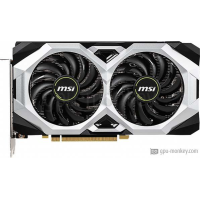
MSI GeForce RTX 2060 VENTUS 12G OC vs
GIGABYTE GeForce RTX 3050 Gaming OC 8G
GIGABYTE GeForce RTX 3050 Gaming OC 8G vs
GIGABYTE GeForce RTX 3060 Eagle 12G
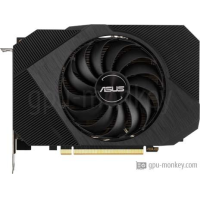
ASUS Phoenix GeForce RTX 3050 8GB vs
GIGABYTE GeForce RTX 3050 Gaming OC 8G
GIGABYTE GeForce RTX 3050 Gaming OC 8G vs
MSI GeForce RTX 2070 VENTUS GP
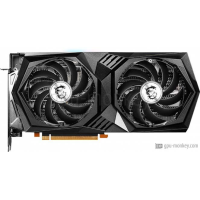
MSI GeForce RTX 3050 GAMING 8G vs
GIGABYTE GeForce RTX 3050 Gaming OC 8G
GIGABYTE GeForce RTX 3050 Gaming OC 8G vs
ASUS Dual GeForce RTX 2060
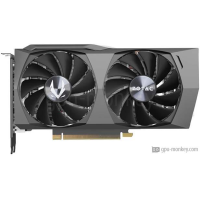
ZOTAC GAMING GeForce RTX 3050 Twin Edge OC vs
GIGABYTE GeForce RTX 3050 Gaming OC 8G
GIGABYTE GeForce RTX 3050 Gaming OC 8G vs
MSI GeForce RTX 3050 VENTUS 2X 8G OC
ZOTAC GAMING GeForce RTX 3050 Twin Edge vs
GIGABYTE GeForce RTX 3050 Gaming OC 8G
GIGABYTE GeForce RTX 3050 Gaming OC 8G vs
NVIDIA GeForce RTX 3060 Laptop (Mobile) - 100 W
MSI GeForce RTX 3050 AERO ITX 8G vs
GIGABYTE GeForce RTX 3050 Gaming OC 8G
GIGABYTE GeForce RTX 3050 Gaming OC 8G vs
MSI GeForce GTX 1070 GAMING 8G
Gainward GeForce RTX 3050 Ghost vs
GIGABYTE GeForce RTX 3050 Gaming OC 8G
GIGABYTE GeForce RTX 3050 Gaming OC 8G vs
MSI GeForce GTX 1060 GAMING 6G
GIGABYTE GeForce RTX 3050 Gaming OC 8G vs
GIGABYTE GeForce GTX 1660 TI GAMING OC 6G
MSI GeForce GTX 1660 TI GAMING 6G vs
MSI GeForce GTX 1060 GAMING 6G
MSI GeForce GTX 1660 GAMING 6G vs
MSI GeForce GTX 1060 GAMING 6G
MSI GeForce GTX 1050 Ti GAMING 4G vs
MSI GeForce GTX 1060 GAMING 6G
MSI GeForce GTX 1060 ARMOR 6G OC vs
MSI GeForce GTX 1060 GAMING 6G
MSI GeForce GTX 1060 GAMING 6G vs
ASUS TUF Gaming GeForce GTX 1650 (GDDR6)
MSI Radeon RX 580 Gaming 8G vs
MSI GeForce GTX 1060 GAMING 6G
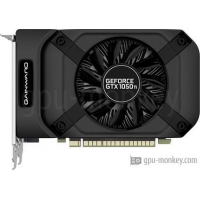
Gainward GeForce GTX 1050 Ti vs
MSI GeForce GTX 1060 GAMING 6G
MSI GeForce GTX 1060 GAMING 6G vs
INNO3D GeForce GTX 1060 iCHILL X3 V2 9Gbps 6GB
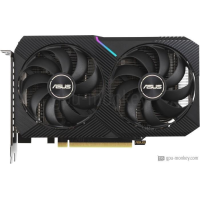
ASUS Dual GeForce RTX 3060 Ti Mini V2 LHR vs
MSI GeForce GTX 1060 GAMING 6G
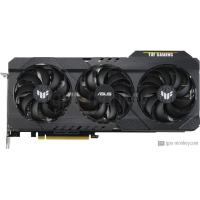
ASUS TUF Gaming GeForce RTX 3060 Ti OC V2 LHR vs
MSI GeForce GTX 1060 GAMING 6G
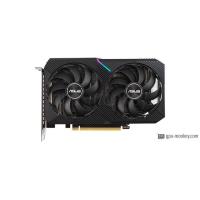
ASUS Dual GeForce RTX 3060 V2 OC Edition LHR vs
MSI GeForce GTX 1060 GAMING 6G
ASUS Dual GeForce RTX 3060 OC Edition vs
MSI GeForce GTX 1060 GAMING 6G
MSI GeForce GTX 1060 GAMING 6G vs
MSI GeForce RTX 3060 VENTUS 2X 12G
Palit GeForce GTX 1080 Ti GameRock vs
MSI GeForce GTX 1060 GAMING 6G
ASUS Dual GeForce RTX 3060 Ti Mini vs
MSI GeForce GTX 1060 GAMING 6G
ASUS Dual GeForce RTX 3060 Ti OC V2 LHR vs
MSI GeForce GTX 1060 GAMING 6G
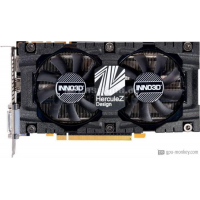
INNO3D GeForce GTX 1070 X2 V4 vs
MSI GeForce GTX 1060 GAMING 6G
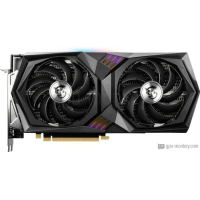
MSI GeForce RTX 3060 Ti Gaming 8G LHR vs
MSI GeForce GTX 1060 GAMING 6G
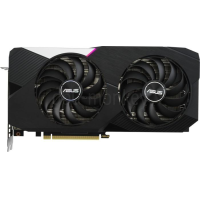
ASUS Dual GeForce RTX 3060 Ti vs
MSI GeForce GTX 1060 GAMING 6G
MSI GeForce GTX 1060 GAMING 6G vs
GIGABYTE GeForce RTX 3080 Gaming OC 10G
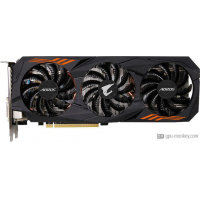
GIGABYTE AORUS GeForce GTX 1060 6G 9Gbps vs
MSI GeForce GTX 1060 GAMING 6G
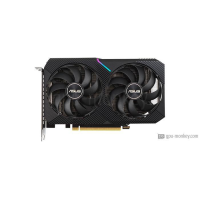
ASUS Dual GeForce RTX 3060 vs
MSI GeForce GTX 1060 GAMING 6G
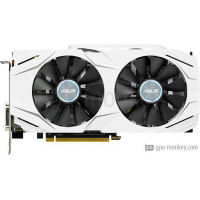
ASUS Dual series GeForce GTX 1060 6GB vs
MSI GeForce GTX 1060 GAMING 6G
MSI GeForce GTX 1060 GAMING 6G vs
ASUS Dual GeForce RTX 3060 Ti Mini OC
MSI GeForce GTX 1060 GAMING 6G vs
ASUS Turbo GeForce GTX 1080
Comments
