


| MSI GeForce GTX 1080 AERO 8G | PNY GeForce GTX 1650 4GB GDDR6 Single Fan | |
| 180 W | Max TDP | 75 W |
| NA | Consommation électrique par jour (kWh) | NA |
| NA | Coût de fonctionnement par jour | NA |
| NA | Consommation électrique par an (kWh) | NA |
| NA | Coût de fonctionnement par an | NA |
MSI GeForce GTX 1080 AERO 8G vs PNY GeForce GTX 1650 4GB GDDR6 Single Fan
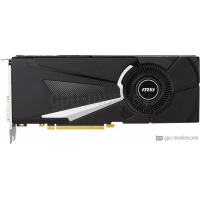
MSI GeForce GTX 1080 AERO 8G a lancé Q2/2016, qui est basé sur l'architecture NVIDIA GeForce GTX 1080. Il sera livré avec 8 GB de mémoire GDDR5X à large bande passante.Le MSI GeForce GTX 1080 AERO 8G comprend un 2560 , des unités de sortie de rendu 64 1.733 GHz et une consommation électrique de 180 W . Le GPU prend en charge jusqu'à 4 moniteurs avec des résolutions de 7680x4320 . De plus, si vous cherchez Air cooling plus fraîche et Radial type de ventilateur, il serait votre meilleur choix.
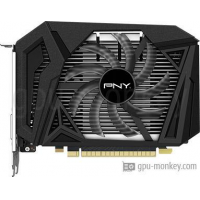
PNY GeForce GTX 1650 4GB GDDR6 Single Fan a lancé Q2/2020, qui est basé sur l'architecture NVIDIA GeForce GTX 1650 (GDDR6). Il sera livré avec 4 GB de mémoire GDDR6 à large bande passante.Le PNY GeForce GTX 1650 4GB GDDR6 Single Fan comprend un 896 , des unités de sortie de rendu 32 1.590 GHz et une consommation électrique de 75 W . Le GPU prend en charge jusqu'à 3 moniteurs avec des résolutions de 3840x2160 . De plus, si vous cherchez Air cooling plus fraîche et Axial type de ventilateur, il serait votre meilleur choix.
MSI GeForce GTX 1080 AERO 8G
PNY GeForce GTX 1650 4GB GDDR6 Single Fan
Comparer les détails
GPU |
||
| NVIDIA GeForce GTX 1080 | Based on | NVIDIA GeForce GTX 1650 (GDDR6) |
| GP104-400-A1 / GP104-410-A1 | GPU Chip | TU117-300-A1 / TU106-125-A1 / TU116-150-KA-A1 |
| 20 | Unités d'exécution | 14 |
| 2560 | Ombrage | 896 |
| 64 | Render Output Units | 32 |
| 160 | Texture Units | 56 |
Memory |
||
| 8 GB | Memory Size | 4 GB |
| GDDR5X | Memory Type | GDDR6 |
| 1.251 GHz | Memory Speed | 1.5 GHz |
| 320 GB/s | Memory Bandwith | 192 GB/s |
| 256 bit | Memory Interface | 128 bit |
Clock Speeds |
||
| 1.607 GHz | Base Clock | 1.410 GHz |
| 1.733 GHz | Boost Clock | 1.590 GHz |
| Avg (Game) Clock | ||
Yes 
|
Overclocking |
Yes
|
Thermal Design |
||
| 180 W | TDP | 75 W |
| -- | TDP (up) | -- |
| -- | Tjunction max | -- |
| 1 x 8-Pin | PCIe-Power | 1 x 6-Pin |
Cooler & Fans |
||
| Radial | Fan-Type | Axial |
| 1 x 70 mm | Fan 1 | 1 x 100 mm |
| -- | Fan 2 | -- |
| Air cooling | Cooler-Type | Air cooling |
| -- | Noise (Idle) | -- |
| -- | Noise (Load) | -- |
Connectivity |
||
| 4 | Max. Displays | 3 |
| 2.2 | HDCP-Version | 2.2 |
| 1x HDMI v2.0b | HDMI Ports | 1x HDMI v2.0b |
| 3x DP v1.4 | DP Ports | 1x DP v1.4 |
| 1 | DVI Ports | 1 |
| -- | VGA Ports | -- |
| -- | USB-C Ports | -- |
Featureset |
||
| 7680x4320 | Max. resolution | 3840x2160 |
| 12_1 | DirectX | 12_1 |
No  |
Raytracing | No |
| No |
DLSS / FSR | No} |
| No LED lighting | LED | No LED lighting |
Supported Video Codecs |
||
| Decode / Encode | h264 | Decode / Encode |
| Decode / Encode | h265 / HEVC | Decode / Encode |
| No |
AV1 | No |
| Decode | VP8 | Decode |
| Decode | VP9 | Decode |
Dimensions |
||
| 269 mm | Length | 158 mm |
| 111 mm | Height | 125 mm |
| 35 mm | Width | 41 mm |
| 2 PCIe-Slots | Width (Slots) | 2 PCIe-Slots |
| 840 g | Weight | -- |
| PCIe 3.0 x 16 | GPU Interface | PCIe 3.0 x 16 |
Additional data |
||
| -- | Part-no | VCG16504D6SFPPB |
| Q2/2016 | Date de sortie | Q2/2020 |
| -- | Release price | -- |
| 16 nm | Structure size | 12 nm |
| data sheet | Documents | data sheet |

Estimation de la consommation électrique

Estimation de la consommation électrique
Comparaison populaire
MSI GeForce GTX 1080 AERO 8G vs
MSI GeForce GTX 1660 VENTUS XS 6G V1
ASUS Dual GeForce RTX 3060 vs
MSI GeForce GTX 1080 AERO 8G
ASUS Dual GeForce RTX 2060 vs
MSI GeForce GTX 1080 AERO 8G
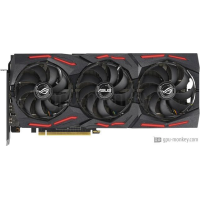
ASUS ROG Strix GeForce GTX 1660 TI vs
MSI GeForce GTX 1080 AERO 8G
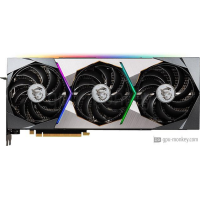
MSI GeForce RTX 3070 Ti SUPRIM X 8G vs
MSI GeForce GTX 1080 AERO 8G
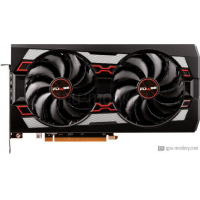
Sapphire Pulse Radeon RX 5700 XT 8G vs
MSI GeForce GTX 1080 AERO 8G
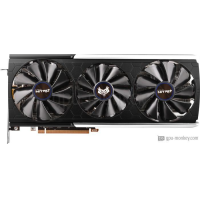
Sapphire Nitro+ Radeon RX 5700 XT BE 8G vs
MSI GeForce GTX 1080 AERO 8G
MSI GeForce GTX 1080 AERO 8G vs
MSI GeForce GTX 1660 SUPER AERO ITX
ASUS Dual Radeon RX 5500 XT OC Evo vs
MSI GeForce GTX 1080 AERO 8G
MSI GeForce GTX 1080 AERO 8G vs
PNY GeForce GTX 1650 4GB GDDR6 Single Fan
MSI GeForce GTX 1080 AERO 8G vs
GIGABYTE Radeon RX 5500 XT D6 8G
AMD Radeon Pro VII vs
MSI GeForce GTX 1080 AERO 8G
MSI GeForce GTX 1080 AERO 8G vs
Sapphire Pulse Radeon RX 5500 XT 8G
MSI GeForce GTX 1080 AERO 8G vs
MSI GeForce RTX 2060 GAMING 6G PLUS
MSI GeForce GTX 1080 AERO 8G vs
PowerColor Radeon RX Vega 56 Red Dragon
GIGABYTE GeForce GTX 1080 WINDFORCE OC 8G vs
MSI GeForce GTX 1080 AERO 8G
MSI GeForce GTX 1080 AERO 8G vs
MSI GeForce RTX 2060 GAMING 6G
GIGABYTE Radeon RX 5600 XT Gaming OC 6G vs
MSI GeForce GTX 1080 AERO 8G
MSI GeForce GTX 1080 AERO 8G vs
ASUS Turbo GeForce GTX 1070 Ti
MSI GeForce GTX 1080 AERO 8G vs
KFA2 GeForce GTX 1070 Ti EX
MSI GeForce GTX 1080 AERO 8G vs
GIGABYTE AORUS GeForce GTX 1070Ti WINDFORCE 8G
MSI GeForce GTX 1080 AERO 8G vs
ZOTAC GeForce GTX 1070 Ti Mini
EVGA GeForce GTX 1080 SC GAMING vs
MSI GeForce GTX 1080 AERO 8G
MSI GeForce GTX 1080 AERO 8G vs
Palit GeForce GTX 1070 Ti Dual
MSI GeForce GTX 1080 AERO 8G vs
MANLI GeForce GTX 1660Ti (M1431+N524-02)
PNY GeForce GTX 1650 4GB GDDR6 Single Fan vs
PNY GeForce GTX 1660 SUPER 6GB XLR8 Gaming OC Single Fan
KFA2 GeForce RTX 2080 SUPER EX Gamer vs
PNY GeForce GTX 1650 4GB GDDR6 Single Fan
PNY GeForce GTX 1650 4GB GDDR6 Single Fan vs
MSI Radeon RX 5700 Mech GP OC
PNY GeForce GTX 1650 4GB GDDR6 Single Fan vs
NVIDIA GeForce RTX 3050 Ti Laptop (Mobile) - 35 W
GIGABYTE GeForce RTX 3090 TURBO 24G vs
PNY GeForce GTX 1650 4GB GDDR6 Single Fan
MSI GeForce GTX 1650 D6 VENTUS XS OC vs
PNY GeForce GTX 1650 4GB GDDR6 Single Fan
MSI GeForce GTX 1080 AERO 8G vs
PNY GeForce GTX 1650 4GB GDDR6 Single Fan
MSI GeForce GTX 1650 VENTUS XS 4G OC vs
PNY GeForce GTX 1650 4GB GDDR6 Single Fan
PNY GeForce GTX 1650 4GB GDDR6 Single Fan vs
GIGABYTE GeForce RTX 3080 Vision OC 10G
GALAX GeForce GTX 1650 EX (1-Click OC) vs
PNY GeForce GTX 1650 4GB GDDR6 Single Fan
PNY GeForce GTX 1650 4GB GDDR6 Single Fan vs
GALAX GeForce RTX 3070 EX Gamer Pink (1-Click OC)
MSI Radeon RX 570 Armor MK2 8G OC vs
PNY GeForce GTX 1650 4GB GDDR6 Single Fan
PNY GeForce GTX 1650 4GB GDDR6 Single Fan vs
GIGABYTE GeForce GTX 1660 OC 6G
GIGABYTE GeForce GTX 1650 D6 OC 4G vs
PNY GeForce GTX 1650 4GB GDDR6 Single Fan
Comments
