


| MSI GeForce GTX 1650 D6 AERO ITX | KFA2 GeForce GTX 1650 Prodigy GDDR6 | |
| 75 W | Max TDP | 75 W |
| NA | Consumo energetico giornaliero (kWh) | NA |
| NA | Costo di esercizio al giorno | NA |
| NA | Consumo di energia all'anno (kWh) | NA |
| NA | Costo di esercizio all'anno | NA |
MSI GeForce GTX 1650 D6 AERO ITX vs KFA2 GeForce GTX 1650 Prodigy GDDR6
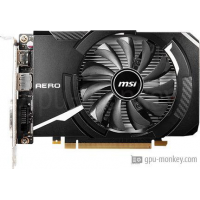
MSI GeForce GTX 1650 D6 AERO ITX ha lanciato Q2/2020, che si basa sull'architettura NVIDIA GeForce GTX 1650 (GDDR6). Verrà fornito con 4 GB di memoria GDDR6 ad alta larghezza di banda.Il MSI GeForce GTX 1650 D6 AERO ITX dispone di 896 shader, 32 unità di output di rendering, ha un boost clock di 1.590 GHz e dotato di un 75 W . La GPU supporta fino a 3 monitor con risoluzioni di 3840x2160 . Inoltre, se stai cercando un Air cooling raffreddamento Axial e un tipo di ventola Axial, sarebbe la scelta migliore.
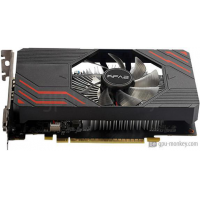
KFA2 GeForce GTX 1650 Prodigy GDDR6 ha lanciato Q2/2020, che si basa sull'architettura NVIDIA GeForce GTX 1650 (GDDR6). Verrà fornito con 4 GB di memoria GDDR6 ad alta larghezza di banda.Il KFA2 GeForce GTX 1650 Prodigy GDDR6 dispone di 896 shader, 32 unità di output di rendering, ha un boost clock di 1.590 GHz e dotato di un 75 W . La GPU supporta fino a 3 monitor con risoluzioni di 3840x2160 . Inoltre, se stai cercando un Air cooling raffreddamento Axial e un tipo di ventola Axial, sarebbe la scelta migliore.
MSI GeForce GTX 1650 D6 AERO ITX
KFA2 GeForce GTX 1650 Prodigy GDDR6
Confronta dettaglio
GPU |
||
| NVIDIA GeForce GTX 1650 (GDDR6) | Based on | NVIDIA GeForce GTX 1650 (GDDR6) |
| TU117-300-A1 / TU106-125-A1 / TU116-150-KA-A1 | GPU Chip | TU117-300-A1 / TU106-125-A1 / TU116-150-KA-A1 |
| 14 | Unità di esecuzione | 14 |
| 896 | Shader | 896 |
| 32 | Render Output Units | 32 |
| 56 | Texture Units | 56 |
Memory |
||
| 4 GB | Memory Size | 4 GB |
| GDDR6 | Memory Type | GDDR6 |
| 1.5 GHz | Memory Speed | 1.5 GHz |
| 192 GB/s | Memory Bandwith | 192 GB/s |
| 128 bit | Memory Interface | 128 bit |
Clock Speeds |
||
| 1.410 GHz | Base Clock | 1.410 GHz |
| 1.590 GHz | Boost Clock | 1.590 GHz |
| Avg (Game) Clock | ||
Yes 
|
Overclocking |
Yes
|
Thermal Design |
||
| 75 W | TDP | 75 W |
| -- | TDP (up) | -- |
| -- | Tjunction max | -- |
| 1 x 6-Pin | PCIe-Power | 1 x 6-Pin |
Cooler & Fans |
||
| Axial | Fan-Type | Axial |
| 1 x 90 mm | Fan 1 | 1 x 80 mm |
| -- | Fan 2 | -- |
| Air cooling | Cooler-Type | Air cooling |
| -- | Noise (Idle) | -- |
| -- | Noise (Load) | -- |
Connectivity |
||
| 3 | Max. Displays | 3 |
| 2.2 | HDCP-Version | 2.2 |
| 1x HDMI v2.0b | HDMI Ports | 1x HDMI v2.0b |
| 1x DP v1.4 | DP Ports | 1x DP v1.4 |
| 1 | DVI Ports | 1 |
| -- | VGA Ports | -- |
| -- | USB-C Ports | -- |
Featureset |
||
| 3840x2160 | Max. resolution | 3840x2160 |
| 12_1 | DirectX | 12_1 |
No  |
Raytracing | No |
| No |
DLSS / FSR | No} |
| No LED lighting | LED | No LED lighting |
Supported Video Codecs |
||
| Decode / Encode | h264 | Decode / Encode |
| Decode / Encode | h265 / HEVC | Decode / Encode |
| No |
AV1 | No |
| Decode | VP8 | Decode |
| Decode | VP9 | Decode |
Dimensions |
||
| 170 mm | Length | 196 mm |
| 111 mm | Height | 126 mm |
| 38 mm | Width | 39 mm |
| 2 PCIe-Slots | Width (Slots) | 2 PCIe-Slots |
| -- | Weight | -- |
| PCIe 3.0 x 16 | GPU Interface | PCIe 3.0 x 16 |
Additional data |
||
| -- | Part-no | 65SQL8DS67PK |
| Q2/2020 | Data di rilascio | Q2/2020 |
| -- | Release price | -- |
| 12 nm | Structure size | 12 nm |
| data sheet | Documents | data sheet |
Stima dell'utilizzo elettrico

Stima dell'utilizzo elettrico
Confronto popolare
MSI GeForce GTX 1650 D6 AERO ITX vs
GIGABYTE GeForce RTX 2070 SUPER GAMING OC 3X WHITE 8G
MSI GeForce GTX 1650 D6 AERO ITX vs
MSI Radeon RX 590 Armor 8G
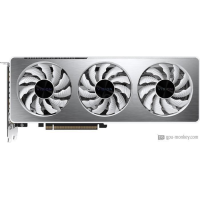
GIGABYTE GeForce RTX 3060 Vision OC 12G (rev. 2.0) LHR vs
MSI GeForce GTX 1650 D6 AERO ITX
MSI GeForce GTX 1650 D6 AERO ITX vs
ASUS ROG Strix LC GeForce RTX 3080 Ti
MSI GeForce RTX 3070 Ventus 3X 8G OC vs
MSI GeForce GTX 1650 D6 AERO ITX
MSI GeForce GTX 1650 D6 AERO ITX vs
KFA2 GeForce GTX 1650 Prodigy GDDR6
MSI GeForce RTX 2060 GAMING Z 6G PLUS vs
MSI GeForce GTX 1650 D6 AERO ITX
MSI GeForce GTX 1650 D6 AERO ITX vs
INNO3D GeForce RTX 2080 Ti X2 OC
EVGA GeForce GTX 1080 Ti FTW3 ELITE GAMING GREEN vs
MSI GeForce GTX 1650 D6 AERO ITX
KFA2 GeForce RTX 3070 Ti SG (1-Click OC) vs
MSI GeForce GTX 1650 D6 AERO ITX
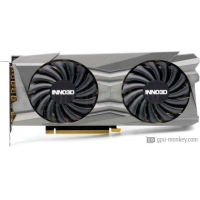
INNO3D GeForce RTX 3070 Twin X2 LHR vs
MSI GeForce GTX 1650 D6 AERO ITX
MSI GeForce GTX 1650 D6 AERO ITX vs
MSI GeForce GTX 1070 SEA HAWK EK X
MSI GeForce GTX 1650 D6 AERO ITX vs
EVGA GeForce RTX 2080 Ti Gaming
MSI GeForce GTX 1650 D6 AERO ITX vs
KFA2 GeForce RTX 3070 EX Gamer (1-Click OC) LHR
MSI GeForce GTX 1650 D6 AERO ITX vs
MANLI GeForce RTX 2080Ti Gallardo (F398G+N504-00)
MSI GeForce GTX 1650 D6 AERO ITX vs
ASUS ROG Strix Radeon RX Vega 64 Gaming
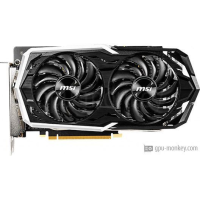
MSI GeForce GTX 1660 TI ARMOR 6G OC vs
KFA2 GeForce GTX 1650 Prodigy GDDR6
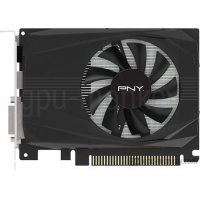
PNY GeForce GTX 1650 4GB Single Fan vs
KFA2 GeForce GTX 1650 Prodigy GDDR6
KFA2 GeForce GTX 1650 Prodigy GDDR6 vs
EVGA GeForce RTX 3080 Ti XC3 Ultra Hydro Copper Gaming
MSI GeForce GTX 1650 D6 AERO ITX vs
KFA2 GeForce GTX 1650 Prodigy GDDR6
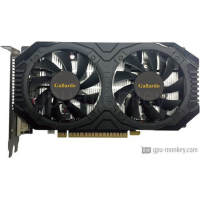
MANLI GeForce GTX 1050 Gallardo (F357G+N452-10) vs
KFA2 GeForce GTX 1650 Prodigy GDDR6
Comments
