


| MSI GeForce GTX 1080 Ti LIGHTNING Z | GIGABYTE AORUS GeForce RTX 3080 XTREME WATERFORCE 12G | |
| 250 W | Max TDP | 350 W |
| NA | Consumo de energía por día (kWh) | NA |
| NA | Coste corriente por día | NA |
| NA | Consumo de energía por año (kWh) | NA |
| NA | Costo de funcionamiento por año | NA |
MSI GeForce GTX 1080 Ti LIGHTNING Z vs GIGABYTE AORUS GeForce RTX 3080 XTREME WATERFORCE 12G
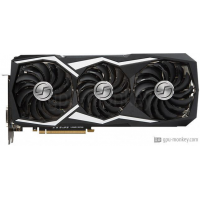
MSI GeForce GTX 1080 Ti LIGHTNING Z lanzó Q1/2017, que se basa en la arquitectura NVIDIA GeForce GTX 1080 Ti. Vendrá con 11 GB de memoria GDDR5X de gran ancho de banda.El MSI GeForce GTX 1080 Ti LIGHTNING Z cuenta con 3584 shader, 88 unidades de salida de render, tiene un reloj de impulso de 1.721 GHz+ 9 % y está equipado con un consumo de energía de 250 W . La GPU admite hasta 4 monitores con resoluciones de 7680x4320 . Además, si usted está buscando Air cooling más fresco y Axial tipo abanico, que sería su mejor opción.
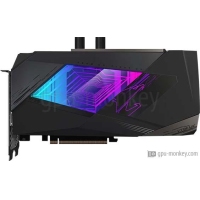
GIGABYTE AORUS GeForce RTX 3080 XTREME WATERFORCE 12G lanzó Q1/2022, que se basa en la arquitectura NVIDIA GeForce RTX 3080 12GB. Vendrá con 12 GB de memoria GDDR6X de gran ancho de banda.El GIGABYTE AORUS GeForce RTX 3080 XTREME WATERFORCE 12G cuenta con 8960 shader, 112 unidades de salida de render, tiene un reloj de impulso de 1.830 GHz+ 7 % y está equipado con un consumo de energía de 350 W . La GPU admite hasta 4 monitores con resoluciones de 7680x4320 . Además, si usted está buscando AIO water cooling más fresco y Axial (Radiator) tipo abanico, que sería su mejor opción.
MSI GeForce GTX 1080 Ti LIGHTNING Z
GIGABYTE AORUS GeForce RTX 3080 XTREME WATERFORCE 12G
Comparar detalle
GPU |
||
| NVIDIA GeForce GTX 1080 Ti | Based on | NVIDIA GeForce RTX 3080 12GB |
| GP102-350-K1-A1 | GPU Chip | GA102 |
| 28 | Unidades de ejecución | 70 |
| 3584 | Shader | 8960 |
| 88 | Render Output Units | 112 |
| 224 | Texture Units | 280 |
Memory |
||
| 11 GB | Memory Size | 12 GB |
| GDDR5X | Memory Type | GDDR6X |
| 1.391 GHz | Memory Speed | 19 Gbps |
| 489 GB/s | Memory Bandwith | 912 GB/s |
| 352 bit | Memory Interface | 384 bit |
Clock Speeds |
||
| 1.480 GHz | Base Clock | 1.260 GHz |
1.721 GHz + 9 % + 9 % |
Boost Clock | 1.830 GHz+ 7 % |
| 1.695 GHz | Avg (Game) Clock | |
Yes 
|
Overclocking |
Yes
|
Thermal Design |
||
| 250 W | TDP | 350 W |
| -- | TDP (up) | -- |
| -- | Tjunction max | 93 °C |
| 3 x 8-Pin | PCIe-Power | 2 x 8-Pin |
Cooler & Fans |
||
| Axial | Fan-Type | Axial (Radiator) |
| 2 x 100 mm | Fan 1 | 2 x 120 mm |
| 1 x 90 mm | Fan 2 | -- |
| Air cooling | Cooler-Type | AIO water cooling |
| 0 dB / Silent | Noise (Idle) | 0 dB / Silent |
| -- | Noise (Load) | -- |
Connectivity |
||
| 4 | Max. Displays | 4 |
| 2.2 | HDCP-Version | 2.3 |
| 2x HDMI v2.0b | HDMI Ports | 3x HDMI v2.1 |
| 2x DP v1.4 | DP Ports | 3x DP v1.4a |
| 1 | DVI Ports | -- |
| -- | VGA Ports | -- |
| -- | USB-C Ports | -- |
Featureset |
||
| 7680x4320 | Max. resolution | 7680x4320 |
| 12_1 | DirectX | 12_2 |
No  |
Raytracing | Yes |
| No |
DLSS / FSR | Yes} |
| No LED lighting | LED | GIGABYTE RGB Fusion |
Supported Video Codecs |
||
| Decode / Encode | h264 | Decode / Encode |
| Decode / Encode | h265 / HEVC | Decode / Encode |
| No |
AV1 | Decode |
| Decode | VP8 | Decode |
| Decode | VP9 | Decode |
Dimensions |
||
| 320 mm | Length | 252 mm |
| 140 mm | Height | 135 mm |
| 61 mm | Width | 40 mm |
| 3 PCIe-Slots | Width (Slots) | 2 PCIe-Slots |
| 1707 g | Weight | -- |
| PCIe 3.0 x 16 | GPU Interface | PCIe 4.0 x 16 |
Additional data |
||
| -- | Part-no | GV-N3080AORUSX W-12GD |
| Q1/2017 | Fecha de lanzamiento | Q1/2022 |
| -- | Release price | -- |
| 16 nm | Structure size | 8 nm |
| data sheet | Documents | data sheet |

Estimación de uso eléctrico

Estimación de uso eléctrico
Comparación popular
ASUS Cerberus GeForce GTX 1050 Ti Advanced Edition vs
MSI GeForce GTX 1080 Ti LIGHTNING Z
MSI GeForce GTX 1080 Ti LIGHTNING Z vs
Colorful iGame GeForce RTX 3080 Neptune OC 10G LHR-V
EVGA GeForce GTX 1070 Ti FTW2 GAMING vs
MSI GeForce GTX 1080 Ti LIGHTNING Z
PowerColor Radeon RX 5600 XT ITX vs
MSI GeForce GTX 1080 Ti LIGHTNING Z
GIGABYTE AORUS GeForce RTX 3080 XTREME WATERFORCE 12G vs
ZOTAC GAMING GeForce RTX 2080 AMP
GIGABYTE AORUS GeForce RTX 3080 XTREME WATERFORCE 12G vs
GALAX GeForce RTX 3060 EX (1-Click OC)
GIGABYTE AORUS GeForce RTX 3080 XTREME WATERFORCE 12G vs
GIGABYTE AORUS GeForce RTX 3080 MASTER 12G
GIGABYTE AORUS GeForce RTX 3080 XTREME WATERFORCE 12G vs
GIGABYTE AORUS GeForce RTX 3060 Ti ELITE 8G (rev. 2.0) LHR
GIGABYTE AORUS GeForce RTX 3080 XTREME WATERFORCE 12G vs
GIGABYTE GeForce RTX 3080 Ti Gaming OC 12G
Sapphire Toxic Radeon RX 6900 XT Air Cooled vs
GIGABYTE AORUS GeForce RTX 3080 XTREME WATERFORCE 12G
XFX Speedster SWFT 319 Radeon RX 6900 XT CORE vs
GIGABYTE AORUS GeForce RTX 3080 XTREME WATERFORCE 12G
GIGABYTE AORUS GeForce RTX 3080 XTREME WATERFORCE 12G vs
NVIDIA GeForce RTX 3090 Founders Edition
GIGABYTE AORUS GeForce RTX 3080 XTREME WATERFORCE 12G vs
NVIDIA GeForce RTX 3080 Ti Founders Edition
MSI GeForce GTX 1080 Ti LIGHTNING Z vs
GIGABYTE AORUS GeForce RTX 3080 XTREME WATERFORCE 12G
ASRock Radeon RX 6900 XT OC Formula 16GB vs
GIGABYTE AORUS GeForce RTX 3080 XTREME WATERFORCE 12G
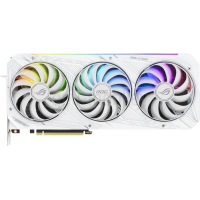
ASUS ROG Strix GeForce RTX 3070 OC White vs
GIGABYTE AORUS GeForce RTX 3080 XTREME WATERFORCE 12G
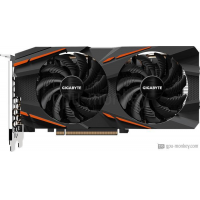
GIGABYTE Radeon RX 570 Gaming 8G vs
GIGABYTE AORUS GeForce RTX 3080 XTREME WATERFORCE 12G
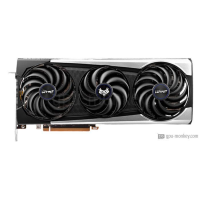
SAPPHIRE NITRO+ Radeon RX 6700 XT vs
GIGABYTE AORUS GeForce RTX 3080 XTREME WATERFORCE 12G
GIGABYTE AORUS GeForce RTX 3080 XTREME WATERFORCE 12G vs
ASUS Phoenix GeForce RTX 2060
Comments
